

Adopting a pet is one of the most rewarding and exciting things you can do in your life, but it can also feel overwhelming. After all, you’re welcoming a living creature into your family. Mighty Pet is here to help with a guide to bringing home a new pet! In this blog, we’ll go through everything you need to know and prepare for before you bring your new buddy home. This advice will help make the transition smoother for you and your new pet.
Before Adoption Day: What to Have Ready at Home
Preparing for a Smooth Transition
Food and Nutrition: Feeding Your New Pet
What to Expect from Their First Week at Home
Providing Comfort and Enrichment
Training and Socialization
Building a Lifelong Bond
Mighty Pet Is Here to Help With Your Pet Adoption
Before Adoption Day: What to Have Ready at Home
Whether you’re adopting a dog or a cat, you’ll need to prepare your home to meet their basic needs. Here’s the bare minimum you’ll need before your new buddy comes home.
The Basics for Dogs
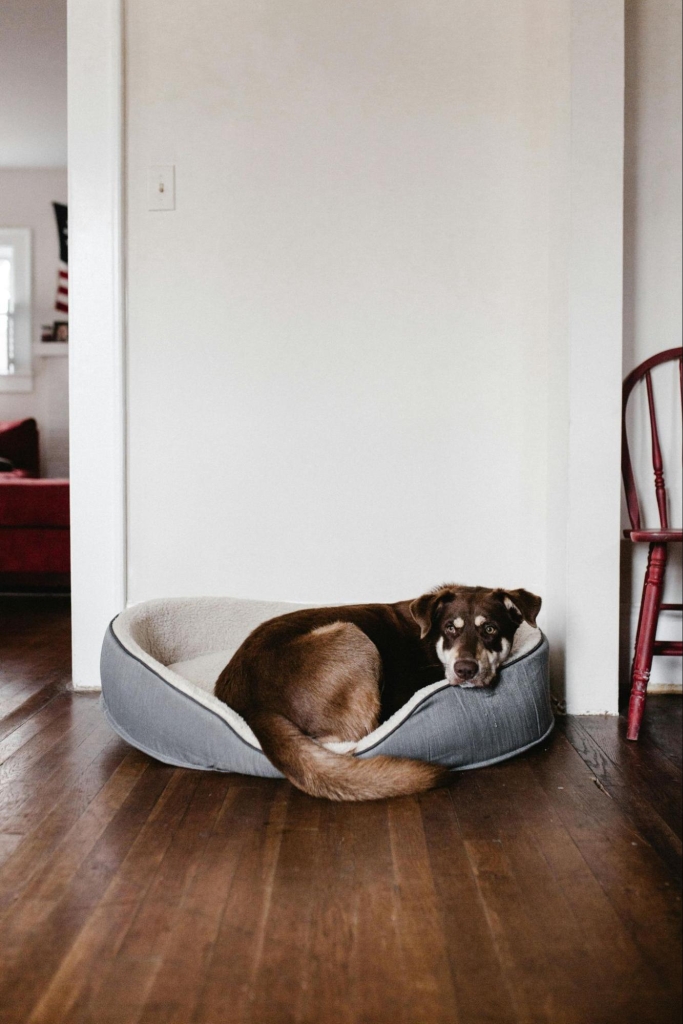
First and foremost, be sure you have a properly sized crate and dog bed. This is especially important for cold winters when outdoor time is limited and cozy spots are sorely needed.
Your dog will also need food and water bowls. Look for non-slip bowls, and get a mat to put beneath them so you don’t end up with kibble and water all over your floor!
A collar, ID tag, and sturdy leash are three of the most crucial items to buy when preparing to bring a dog home. Should your pup ever get lost, you want to make it as easy as possible for them to find their way home.
Finally, you’ll need quality dog food. We’ll discuss this more in a later section, but if you want to switch dog food brands, don’t make an abrupt transition right away. Feed them what they’ve been getting at the shelter, slowly transitioning to a new food to avoid tummy upset.
The Basics for Cats
To keep your house clean and your kitty happy, you’ll need a litter box. Actually, you’ll need at least two–veterinarians recommend keeping one litter box per cat, plus one extra. Oh, and while we’re on the subject, you’ll need quality litter and a litter box scoop. There are many different kinds of litter out there–scented, low-tracking, clumping, and beyond. Do a little research to figure out what you’re looking for before you make a decision.
Your new cat will also need a scratching post or scratching pad. Cats scratch at things to maintain their claws and stretch their muscles–it’s instinct. If you don’t provide a scratching spot, they’ll take that energy out on your furniture, and no one wants that!
Obviously, your cat will also need food and water bowls. You may also want to invest in a water fountain and/or automatic feeder to make feeding time even simpler.
Cats also need safe hiding spots, like cat trees and cat houses. Cats need occasional alone time, or they won’t feel comfortable.
If you aren’t sure where to start, the staff at Mighty Pet is happy to help you pick out
food, litter, leashes, and more!

Preparing for a Smooth Transition
Beyond providing for their basic needs, you’ll need to take a few steps to keep your pet safe and calm as they transition into their new home. Here are some foolproof suggestions for a happy first week together:
Pet-Proofing Checklist
- Keep electrical cords hidden. This is especially important for cats, who sometimes like to chew on cords and strings.
- Remove toxic houseplants. Pet owners are often surprised to find that common houseplants and flowers, including lilies, aloe, and pothos, can be highly toxic–or even fatal–to dogs and cats. Use Google to double-check before you bring any plants into the house, and to search for pet-safe alternatives.
- Secure household chemicals and cleaning supplies. Pets can be nosy, and they don’t always know that these chemicals are dangerous!
- Check fences and outdoor enclosures. You don’t want to let your dog out only to discover that the fence was not as secure as you thought. While you’re at it, move trash cans away from any spaces your outdoor pets might use. That way, you minimize their potential interactions with wildlife.

Creating a Safe Space
- Choose a quiet room they can spend time in for their first few days in their new home. Put everything they’ll need–food, water, litter, and cozy spaces–in that room.
- Introduce your pet to other family members and pets slowly, so you don’t overwhelm them.
- Establish a feeding and bathroom routine immediately, so that your pets adjust as soon as possible. This will make them more comfortable, and make your own life easier.

Food and Nutrition: Feeding Your New Pet
Whether you’re bringing home a dog or a cat, don’t transition them to a new food immediately. Ask shelter staff what your future pet has been eating. They may even be able to send you home with a bag of it. Transition to their new food slowly over the next 7-10 days, adding more of the new food each day. For instance, if they normally get 2 cups of food per day, you may want to start by feeding them 1.5 cups of the food they’re used to mixed with .5 cups of their new food. To determine an exact safe feeding schedule, talk to your vet.
Remember that depending on your new pet’s age, they may need a different type of food. Puppies and kittens need special, higher-calorie formulas to support their growth. Some pets may have special needs, like allergies, that require certain diets. The shelter should be able to tell you if they need anything beyond standard kibble.
Also, be sure to keep your pet well-stocked with water! It’s common for animals to drink more when they’re stressed, and as excited as they might be to come home, switching to a new environment is still a big deal. They may drink more than usual in their first few days at home.
Overwhelmed? Don’t worry. The Mighty Pet team can help you choose the right food based on age, size, special needs, and activity level.
What to Expect from Their First Week at Home
The first week you spend with your new pet is very important. This is the time where you’ll establish your bond, set a routine, make introductions, and help your new companion feel safe and loved. Here’s what to prepare for:
Adjustment Period
No matter how well-prepared you are, and how happy your pet is to come home with you, they will still need some time to adjust. You might see:
- Shyness or hiding. Don’t discourage this or force them to come socialize before they’re ready. Just make your pet feel safe and comfortable, and they’ll come out when they’re ready.
- Accidents in the house. Don’t get mad at your pet. An accident in the first week or two does not necessarily mean anything is wrong with your new friend. In fact, this is a common anxiety response. Again, the most important thing is to make sure your pet feels safe and comfortable so they can overcome their anxiety and get used to their new bathroom routine.
- Sleeping problems. Your pet’s sleep pattern may change as they adjust to their new environment. They might wake up in the middle of the night or have trouble falling asleep. This is totally normal. Show them some affection, but stick to a sleep schedule. Your pet will adjust to the new routine before you know it.
- Clinginess or anxiety. Some pets might hide away, but others may cling to you for attention and reassurance. Offer comfort and affection, but maintain your routines so that your pet starts getting used to the rhythm of your home.
Establishing Routine
Nothing makes animals feel safer, faster than a predictable routine. Give your pet a schedule to get used to, and they’ll adjust quicker than you think. Do the following:
- Keep feeding times consistent. Dogs and cats have sharp internal clocks. If meal times are inconsistent, your pet will get nervous.
- Stick to scheduled potty breaks for dogs. This is especially important if they are not yet fully housebroken.
- Participate in short, scheduled training sessions. Don’t overwhelm your puppy with lots of instructions or demands at once. Spending 15 minutes a day to teach one command at a time will be a lot more effective than trying to teach them everything at once!
- Gentle socialization. Don’t force your dog or cat to socialize with the other people and/or animals in the home. Instead, create calm spaces where they feel they can interact safely and at their own pace.
Getting Veterinary Care
Just as it’s important to connect with a doctor when you move to a new town, it’s vital to get your pet some veterinary care once they join your household. Even if there is absolutely nothing wrong with your new companion, it’s smart to establish a connection with a vet and get a baseline picture of your pet’s health.
- Schedule a wellness check within the first couple of weeks, or sooner if you suspect anything is wrong. It’s very common for pets to pick up communicable illnesses like kennel cough or ear mites while living in shelters. The vast majority of these ailments are easily treatable, but it’s important to catch them sooner rather than later.
- Ensure your pet’s vaccinations are up to date. Not only is this important for your pet’s well-being, certain vaccines are legal requirements. In the United States, you must vaccinate your pets against rabies–or face serious fines. If you live in an apartment, landlords may also ask for proof of vaccines. Pet boarding facilities and daycares will also ask for your pet’s vaccination records before admitting them.
- Discuss flea and tick prevention. Dogs and cats (even indoor cats) need regular flea and tick prevention medication to keep them healthy. Yes, it costs a little extra money, but it’s much more affordable than treating a flea or tick problem!
Providing Comfort and Enrichment
Beyond basic needs and safety requirements, you don’t want to let your pet get bored. Comfort and enrichment items keep them sharp and healthy; plus, they help reduce anxiety in those stressful early days. Invest in chew toys for dogs to give them an outlet for their natural chewing instincts, and balls or frisbees for them to chase. Keep your new cat busy with wand toys, laser pointers, and vertical climbing spaces.
It’s always a good idea to have some treats on hand for your new pet. Treats are a great way to bond with your new friend, and to incentivize them during training. A little reward will help your new pet feel calmer and more confident in their new space.
If your pet seems particularly anxious, you may want to invest in some calming aids. Pheromone sprays, cozy beds and blankets, and anxiety vests can keep your new friend relaxed.
Training and Socialization Tips

If training a dog, start practicing simple commands like sit and stay right away. Break this up into short training sessions, and be consistent. You don’t have to do it on your own, either. Local pet experts, including the team at Mighty Pet in Menominee, MI, offer training classes to help you teach your new dog all the vital commands.
For both dogs and cats, encourage healthy socialization with any people or other pets in the home. Remember, don’t force anything. Establish safe spaces where they can comfortably interact with everyone in the home. Keep an eye on any socialization between your new pet and any other pets in the home. Separate them if things seem tense.
Use positive reinforcement methods to encourage your pet’s good behavior. As your dog learns to go potty outdoors, and your cat learns to stay off the kitchen counters, a little treat here and there can incentivize them to stay on their best behavior.
Always be patient during the adjustment period. Remember, just as you’re learning to take care of a new pet, your pet is still learning about your expectations. Getting frustrated with your pet can scare them, making it hard to establish a trusting bond. Your pet will behave best if he or she feels calm and confident in their new home.
Building a Lifelong Bond
You should always give your pet plenty of love and attention, but it’s especially important in the first few weeks. As your pet adjusts to their new environment, do the following:
- Spend quality time with them daily. Playing, cuddling, and going on walks all show your pet that they can trust you, and help establish a loving bond.
- Grooming your new pet is another great way to bond, while also keeping them smelling fresh!
- Celebrate small wins. Your pet won’t perfectly adjust to their new home right away. But when they poke their head out of their carrier, enjoy a walk with you, curl up on your lap, or play with other pets in the house, they’re getting comfortable. These little victories are super important. Celebrate with some praise, a treat, or both!
- Understand that trust takes time. You can’t build a bond in an hour. It can take days or even weeks for your new pet to come out of their shell. That doesn’t mean you’re doing anything wrong. Be patient, show them love, and let them move at their own pace.
Mighty Pet In Menominee, MI Is Here to Help With Your Pet Adoption
Bringing home a new pet is a big moment, and the beginning of a lifelong bond. We’d love to be a part of your journey. Whether you need help choosing the right food, finding a properly fitted collar, or picking out toys to ease their first-week jitters, we are here to help! We even offer special adoption bundles for new pet owners, since we love to support pet adoption in our community.
We also offer training courses, doggy daycare, grooming services, dog walking services, and more. So if you need an extra set of hands, you know who to call! Stop by Mighty Pet in Menominee, Michigan so we can get you and your new best friend started off on the right foot!